

In Part 1, we explored the risks of mismanaged hazardous waste. Now, Technical Manager Dylan Naran shows how Axil helps businesses take control, reduce costs, lower carbon, and stay compliant.
Smarter Solutions Beyond Compliance
Rising costs, carbon pressures, and infrastructure constraints mean compliance alone isn’t enough. Businesses need practical, innovative hazardous waste solutions.

“What I’m most proud of is how our on-site technical support and smarter containment systems, like HazPod®, give customers real control over their hazardous waste from the point of generation.” – Dylan Naran
HazPod® – Practical Innovation at Source
HazPod® provides secure, clearly defined segregation:
- Improves safety and prevents contamination
- Ensures waste is stored correctly until collection
- Delivers immediate compliance and operational efficiency gains
“For many customers, it’s a simple change that delivers immediate compliance and efficiency improvements.” – Dylan Naran
Technology & Total Waste Visibility
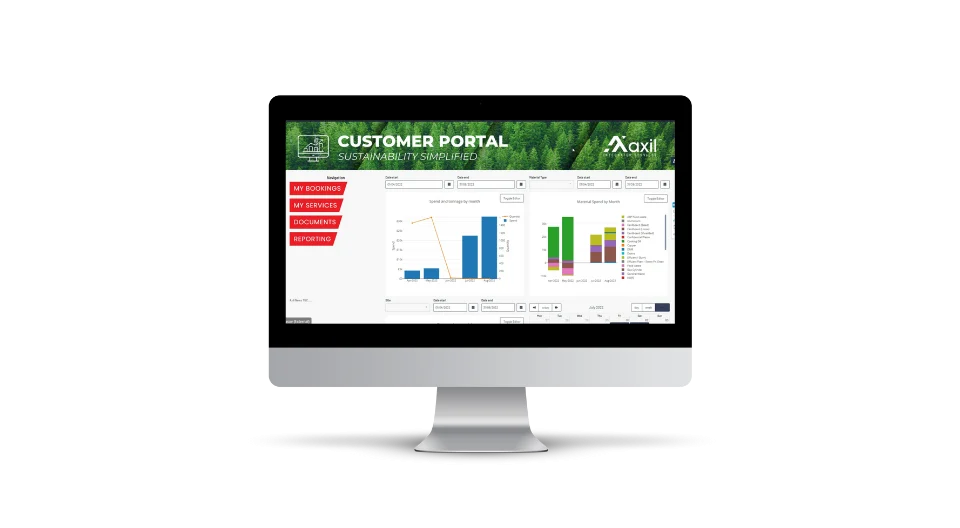
Axil’s digital portal gives businesses full visibility of:
- Cost and carbon impact
- Waste generation by stream
- Where waste goes
- How it’s treated
“This level of visibility reduces unnecessary collections, supports better recycling and recovery decisions, and strengthens compliance.” – Dylan Naran
According to DEFRA, improved data quality will be essential as digital waste tracking systems are rolled out nationally.
Operational Challenges Solved
Common hazardous waste issues include:
- Poor segregation at source
- Inconsistent labelling
- Limited storage space
- Lack of in-house expertise
“These issues drive up costs, increase safety risks, and expose compliance gaps. They can’t be solved with paperwork alone—they need practical infrastructure and ongoing training.” – Dylan Naran

Cost & Carbon Savings Through Smarter Segregation
- Reduces contamination of non-hazardous streams
- Lowers disposal costs
- Improves transport efficiency
- Reduces carbon footprint
“Smarter segregation, correct packaging, and the right containers can significantly reduce collections, improve transport efficiency, and lower disposal costs. That’s where real financial and environmental gains are made.” – Dylan Naran