

Working in partnership with…




























Why Waste Management Matters in
Distribution Centres
Waste from packaging, pallet wrap, dunnage, damaged goods, and mixed industrial materials can drive up costs, take up space, and slow operations.
Poorly managed waste creates congestion, safety risks, and unnecessary spend, especially in high-throughput, space-restricted warehouses.
Built for Modern Distribution & Logistics Operations
Axil supports:
- Fulfilment centres
- 3PL operations
- Cross-dock facilities
- Automated warehouses
- High-volume returns facilities
Each generates waste differently. Our solutions are designed around your layout, workflows, automation, and peak volumes, not a generic model.
Trusted by UK distribution and logistics operators, Axil delivers compliant, sustainable waste management that keeps high-throughput, technology-led facilities moving, safely, efficiently, and cost-effectively.
Re-engineer your waste
Arrange a waste reviewNational Coverage & Local Responsiveness:
With operational teams across the UK, Axil can respond rapidly to local sites while maintaining consistent national standards. Whether a single regional depot or a multi-site logistics network, we provide coverage tailored to your operational needs.
What We Deliver
Optimised Waste Segregation
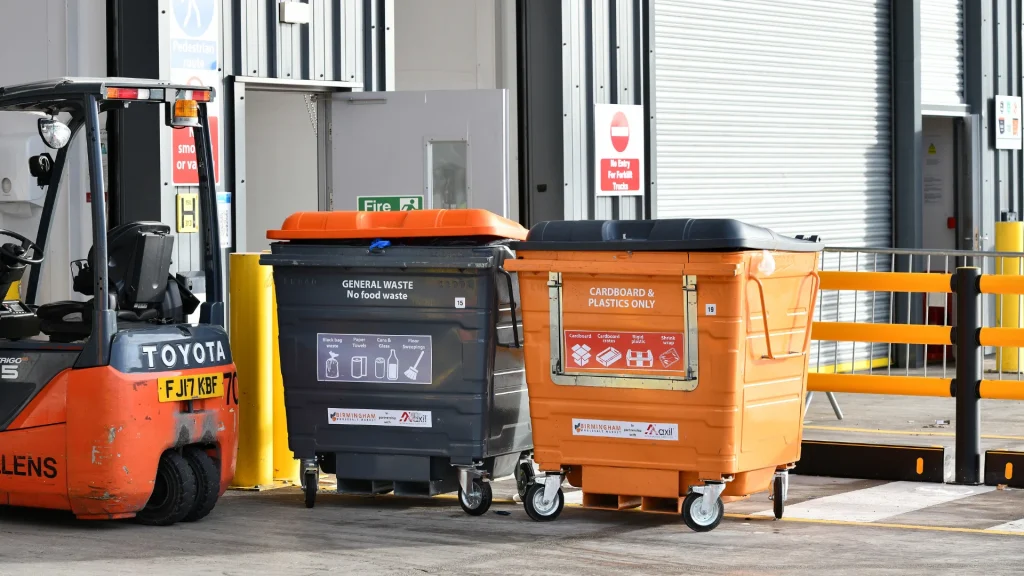
Capture high-value recyclables at source using clear segregation systems for cardboard, plastics, wood, and metals, increasing recycling rates and rebate recovery.
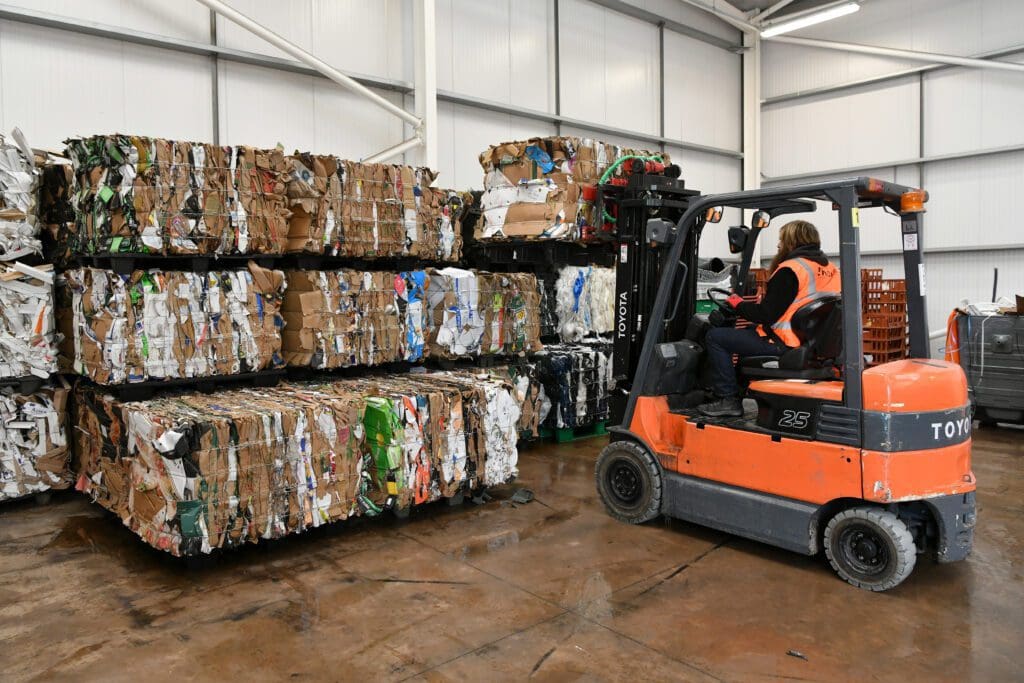
Reduced Operational Waste Costs
Smarter storage, handling, and collection planning reduces disposal charges, labour time, and contractor complexity.
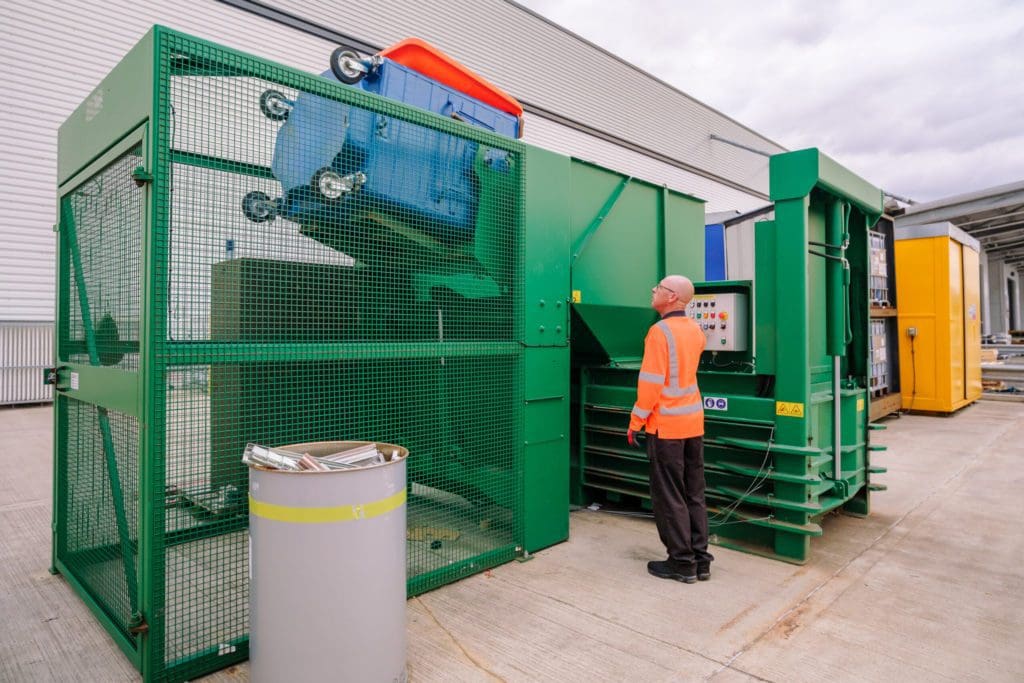
Increased Recycling & Resource Recovery
Balers, compactors, and space-efficient containers designed for tight, automated warehouse environments improve recycling without disrupting throughput.
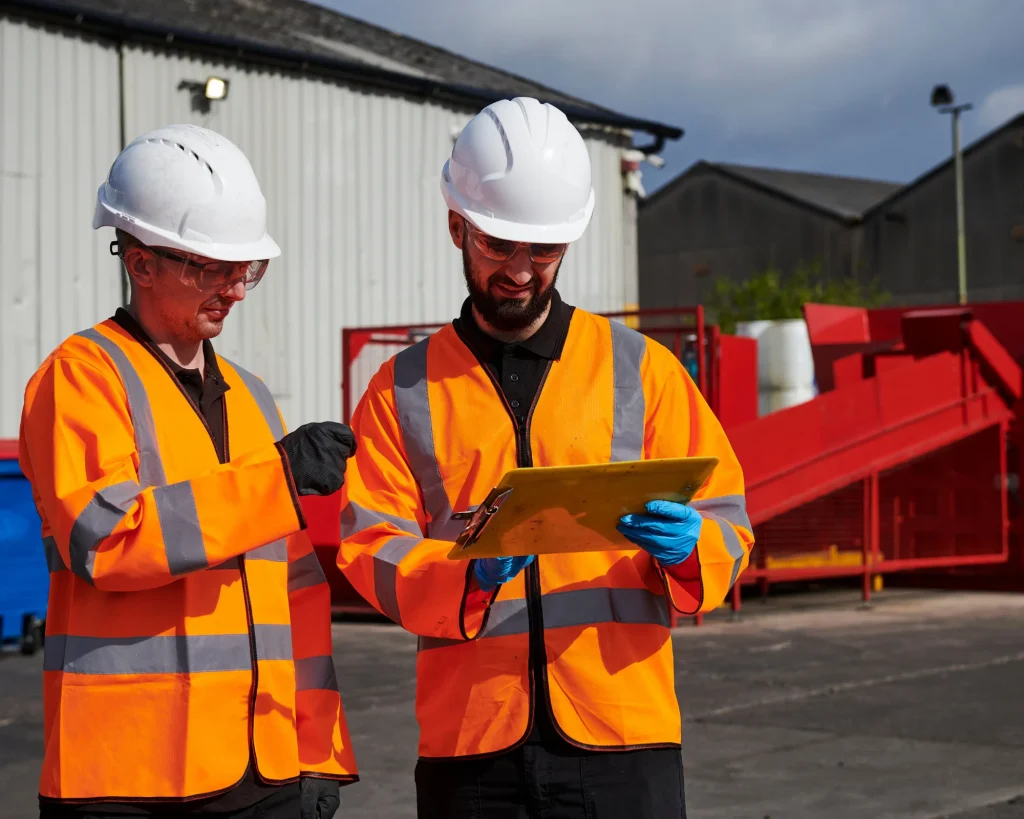
Full Compliance & Reporting
Axil maintains full Duty of Care compliance, ISO-aligned processes, and audit-ready reporting. The Customer Portal provides real-time visibility into volumes, recycling rates, costs, and rebates.

Request a Waste Review
A free, practical assessment of your waste streams, costs, and improvement opportunities.
Benefits of Total Waste Management
Commercial Benefits
- Lower disposal and handling costs
- Increased rebate recovery from recyclables
- Collections aligned to warehouse workflows
- Fewer disruptions and reduced labour time
- Full visibility through and real-time reporting

Environmental Benefits
- Higher recycling rates, less landfill
- Safer, less congested waste yards
- Better use of space in high-throughput areas
- Reduced handling risks for site teams
- Measurable progress against ESG goals

Our Approach to Waste Optimisation
- Initial Fact Find – Understand current waste streams and costs
- Site Visit – Review processes and identify improvements
- Tailored Proposal – Solutions aligned to operational goals
- Implementation & Mobilisation – Seamless rollout, minimal disruption
- Ongoing Partnership – Reporting, optimisation, continuous improvement
Frequently Asked Questions
Waste Management for Distribution Centres


Waste management for distribution centres is the handling, segregation, recycling, and compliant disposal of high-volume packaging and industrial waste to reduce costs, improve efficiency, and meet compliance requirements.
Distribution centres typically produce cardboard, plastics, pallet wrap, wood, metals, dunnage, damaged goods, and mixed packaging generated across picking, packing, and dispatch operations.
Waste costs are reduced by improving segregation, lowering residual waste, optimising collections, and recovering value from recyclable materials such as cardboard, plastics, and metals.
No. Waste systems are designed around warehouse workflows to minimise disruption, congestion, and downtime during setup and daily operations.
No. Clear segregation and smarter container placement reduce handling time and simplify waste decisions for site teams.
Waste compliance is managed through documented processes, Duty of Care controls, and auditable reporting across all waste streams.
Yes. Waste capacity, container volumes, and collection schedules can flex to manage seasonal peaks, promotions, and returns surges.
Space-efficient balers, compactors, and smart bin layouts maximise recycling while fitting into tight, high-throughput warehouse environments.
Waste performance is tracked through real-time reporting showing volumes, recycling rates, costs, rebates, and compliance data.
A waste contractor focuses on collections, while a waste partner focuses on cost reduction, operational efficiency, compliance, and continuous improvement.
Start with a free waste review to assess current waste streams, costs, and improvement opportunities.
Case Studies
Our latest case studies show successful waste management in practice.
Our unique, value-added, partnership approach delivers results – that’s why we’ve retained 98% of our customers!





Awards & Certifications










Re-engineer your waste


ARRANGE A WASTE REVIEW
To gain a clearer understanding of your waste operations, we will visit to carry out a detailed site audit.
Our waste management experts will understand your waste streams and the challenges you face— and develop a service proposal tailored to accommodate your needs.
We will explain how our innovative solutions can re-engineer your waste to reduce your costs and increase your recycling.