
Following the Spring Budget announcement, the changes to Landfill Tax are set to increase to £126.15 starting from 2025/26.
It is a timely reminder to assess where your waste is headed and whether you’re optimising both value and environmental impact.
This rise is the most significant increase since the start of the Landfill Tax in 1996. Understanding the implications of the changes to landfill tax is crucial for businesses that: aim to enhance sustainable waste management practices, reduce their environmental footprint, and improve their corporate environmental responsibility.

Understanding the Impact of Landfill Tax Changes
The Landfill Tax Rate Increase
The increase in landfill tax is not just a financial consideration but a significant driver for companies to reassess and optimise their waste disposal routes. Landfill tax changes are designed to encourage businesses to move away from traditional landfill disposal methods and adopt more sustainable waste management practices. This aligns with the broader goal of reducing environmental impact and promoting environmentally friendly waste practices.
How will the Change Impact UK Manufacturers?
We avoid landfill. We work with you to ensure your waste takes alternative routes, aligning with the waste hierarchy. By adopting this principle, we prioritise avoidance, prevention, reuse, and redistribution. This approach not only saves money but also reduces your environmental impact. All whilst supporting investment to develop and progress UK circular economy infrastructure.
Benefits of Sustainable Waste Management
Benefits in Brief:
- Enhanced corporate sustainability;
- Environmental responsibility;
- Improved Scope 3 emissions reporting data.
By managing waste at the top of the hierarchy, businesses can avoid the increased costs associated with landfill tax changes and instead, invest in more sustainable waste management solutions.
Sustainable Waste Management Benefits for Axil Clients
Axil’s commitment to the waste hierarchy means that less than 1% of our clients’ waste ends up in landfills. Only in exceptional cases, such as with asbestos or where local energy-from-waste (EfW) infrastructure is lacking, might waste not have a viable alternative.
At Axil we have access to the full breadth of the UK waste processing market which is over 6000 permitted facilities, and we take pride in our ability to help companies realise their zero-waste-to-landfill goals.
Our Top Tips to Reduce Waste
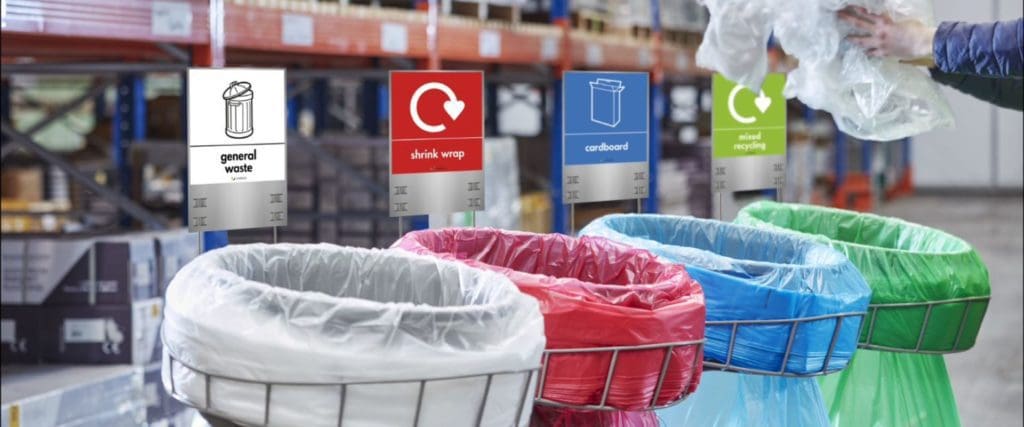
Responding to the landfill tax increase effectively and embracing sustainable waste management, businesses should implement robust strategies to reduce waste. These strategies can include:
1. Investing in Recycling Programmes
Establishing comprehensive recycling programmes and investing in the latest technologies to facilitate this can lead to a significant reduction in the amount of waste sent to landfill. Thereby avoiding the increased landfill tax – it’s a win-win!
2. Adopting Zero Waste Initiatives
Striving for zero-waste initiatives can help businesses minimise waste generation and promote the reuse and recycling of materials. Our CIWM-certified waste and resource training academy explores this further to support your environmental, carbon, sustainability, and circular economy goals.
3. Exploring Landfill Alternatives
Identifying and using landfill alternatives, such as energy-from-waste (EfW) facilities and re-use, recycling and circularity schemes, can provide eco-friendly disposal options. Read about how our collaboration with social enterprise: Community Wood Recycling, have increased social value collaboration, whilst pushing our clients up the hierarchy.
4. Enhancing Environmental Responsibility
Starting by embedding a culture of environmental responsibility within your business can lead to stronger sustainable waste management practices, and improved compliance with the latest waste regulations.
Conclusion:
At Axil, we are committed to helping businesses navigate these changes and achieve their sustainability goals. By leveraging our expertise and extensive network of waste processing facilities, we provide tailored solutions that meet the unique needs of each client.
In a nutshell, the upcoming changes to landfill tax present both challenges and opportunities for businesses. By adopting sustainable waste management practices and implementing effective waste reduction strategies, companies can not only drive out the financial impact of the tax increase, but also contribute to a more sustainable future.
Read more about our approach here.