
Working in partnership with…











You could be paying to move materials that have value
Waste is usually seen as a cost.
But metals, cardboard, plastics and other materials can have a market value. How much you can recover depends on what you generate, how it is segregated, its quality and volume, and where it goes.
The opportunity isn’t simply to recycle more.
It’s to understand what is leaving your site, what it is worth and whether you’re getting that value back.
The opportunity is often hidden in the operation
A material can lose value before it ever reaches a recovery facility.
It might be mixed with other materials, contaminated, collected too frequently, stored poorly or sent down a route that isn’t right for its quality or volume.
These issues can turn a potentially valuable material into another waste cost.
We look at what is happening on site to understand where value may be lost.

What you generate.
Which materials are leaving your sites, and in what volumes?
How you manage them
Are materials segregated, stored and presented in the right way?

How they are collected
Are container sizes, collection frequencies and vehicle capacity right for the volumes?

Where they go
Is the recovery or recycling route appropriate for the material?

What they are worth
What does the market support, given the material, quality, volume and current conditions?
Re-engineer your waste
Arrange a waste reviewBetter management can unlock more value
The answer isn’t always a new recycling route. Sometimes it’s a change to the way the material is managed.
- Better segregation can reduce contamination.
- The right container can improve material presentation.
- Fewer, better-planned collections can improve efficiency.
- Baling or compaction can make better use of transport capacity.
- A different recovery route can improve the value of a material.
Small operational changes can make a material easier to recover, more valuable and less expensive to manage.
From material to rebate
There is a simple process behind every successful commodity opportunity.

Identify
Understand the materials, volumes, quality and current arrangements.

Improve
Find practical ways to protect or increase the value of those materials.

Recover
Manage appropriate recycling and commodity routes for the material and market.

Return
Where a material has recoverable market value, the appropriate rebate is returned to the customer in line with the agreed arrangements.
What can have a commodity value?
It depends on what you’re generating and what the market is doing.
Common examples include:
- Metals
- Cardboard and paper
- Plastics
- Other recyclable materials
But there is no fixed price list.
Commodity values move with demand, supply, material quality, volumes, contamination and wider market conditions.
We look at your actual waste streams rather than assuming every material has a value.
Know what your materials are worth
Markets change. Your waste operation changes too.
That’s why understanding your materials over time matters.
The Axil Customer Portal provides access to waste information and service details, helping you understand activity across your operation. This can include waste volumes, costs, collections, compliance and destinations, depending on the data available.
Materials → Volumes → Collections → Destinations → Value
This helps you see more than what you’re paying to have removed. It can show where materials are being generated, how they’re moving through the operation and where there may be opportunities to improve recovery or reduce cost.
The rebate is only part of the opportunity
A rebate can be valuable. But focusing only on the rebate can miss the bigger picture.
If you’re paying for unnecessary collections, sending recyclable material to disposal, using the wrong containers or carrying contaminated material, the cost of the wider operation can outweigh the value recovered.
That’s why commodities and rebates work best as part of a wider approach to waste.
Recover more. Dispose less. Make the whole operation work harder.
One waste operation, Not separate pieces.
Rather than managing commodities in isolation, we can look at how each stage affects cost, recovery, compliance and value.
That gives you one accountable service and a clearer picture of what is happening across the operation.
Through Total Waste Management, Axil can connect the different parts of your waste operation:

Generation
Segregation
Storage
Collection
Treatment
Recovery
Reporting
Better recovery can create real commercial value
What does this look like in practice?
At LEVC, improved segregation helped increase waste recovery and contributed to a 212% increase in metal rebates.
At a leading convenience food manufacturer, a wider waste management programme delivered £843,000 in savings, alongside a 66% reduction in food waste and significant rebate value.
Different sites. Different materials. Different opportunities.
But the principle is the same:
Understand the waste. Improve what happens to it. Capture the value.
Why Axil?
We look beyond the rebate
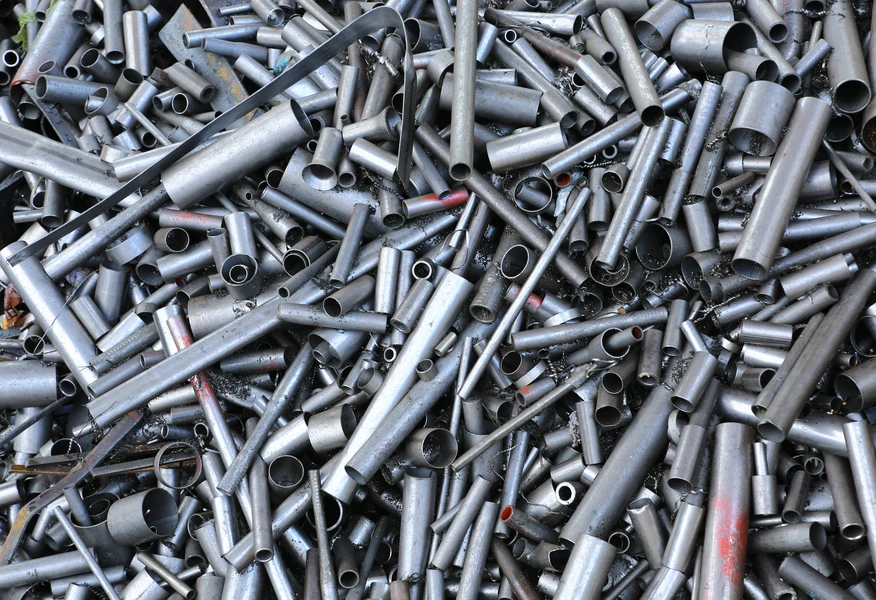
We don’t start with the value of a material in isolation. We look at the operation behind it and what could be affecting that value.

We understand how waste works on site
Our teams work with operational teams to identify changes that are practical, workable and commercially worthwhile.
We use data to find opportunities
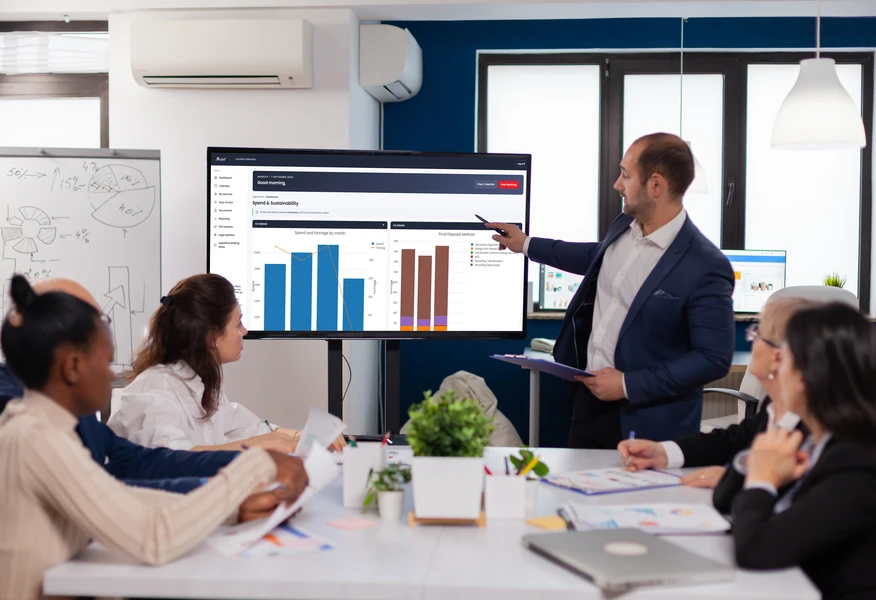
Visibility of waste volumes, costs, collections, compliance and destinations helps us understand what is actually happening.
We manage the routes
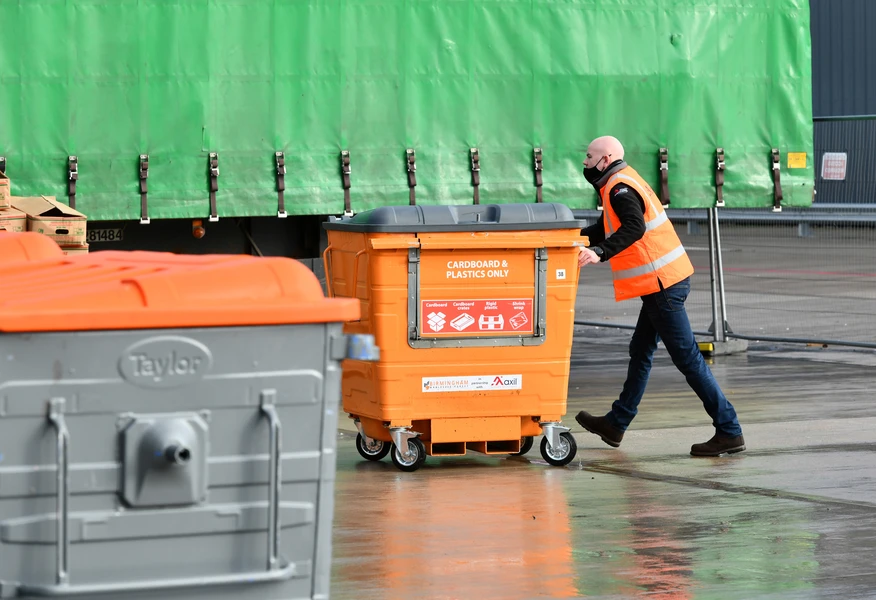
We select and manage appropriate recycling, recovery and commodity routes based on the material and the requirements of the operation.
We keep the focus on the outcome
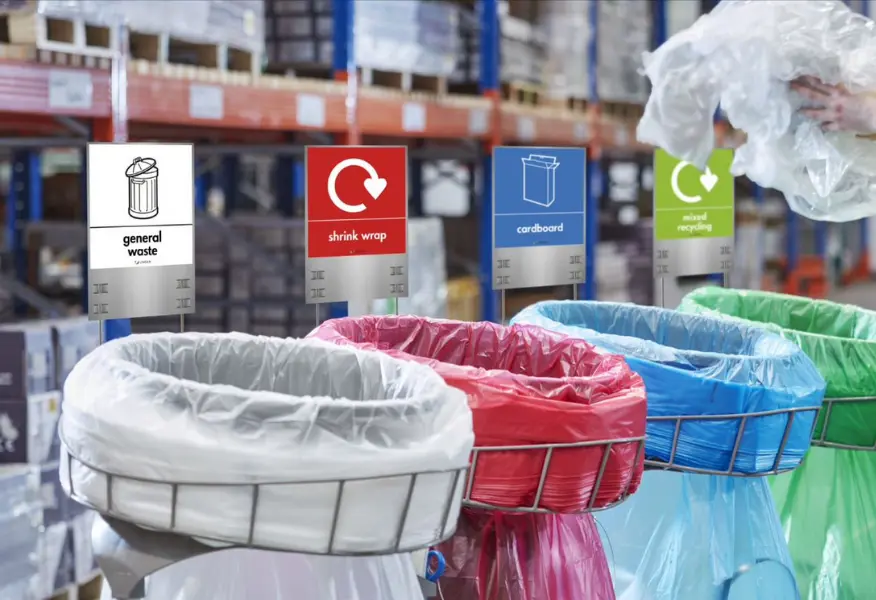
The aim isn’t simply to increase a recycling percentage.
It’s to reduce avoidable cost, recover more value and make the waste operation work better.
Frequently asked questions


A commodity rebate is value returned to a customer when certain waste materials have a recoverable market value. The amount depends on the material, its quality and volume, and current market conditions.
Metals, cardboard, plastics and other recyclable materials can have commodity value. Not every material generates a rebate, and values can change over time
It can. Better segregation can reduce contamination and improve material quality, which may increase recovery potential and value.
We look at the materials you generate, volumes, segregation, collection arrangements, quality, destinations and available recovery routes.
No. Commodity markets change and not every waste stream has a recoverable market value. We identify opportunities based on the material and market conditions at the time.
Demand, supply, material quality, contamination, volumes and wider market conditions can all affect what a material is worth.
Awards & Certifications











Find the value
in your waste


You may be paying to move materials that could have a value.
Let’s look at what you’re generating, what it’s costing you and where there could be more to recover.
Talk to Axil