


Following Part 1 — Food Waste in the UK: Why We’re Still Getting It Wrong — where we explored the scale, cost, environmental impact, and operational challenges, Part 2 shifts to what’s working.

“Having one waste partner embedded in your operation changes everything,” says Senior Business Development Manager, Phil Little. “They see patterns, become advocates, and connect compliance, operations, and commercial opportunity. It’s not about bins — it’s about designing out waste and creating measurable business improvements.”
Here, Phil shares how the right partnerships, supported by smart processes and technology, can turn food waste from a cost into a controllable, valuable resource. This section shows what really works on the factory floor, why technology alone won’t solve it, and how collaboration delivers lasting results.
Turning Waste into Value
In large-scale food processing, waste isn’t just leftover food—it includes contaminated packaging and by-products, which are costly to dispose of. Traditionally, this material ends up in general waste, driving up costs, environmental impact, and operational risk.
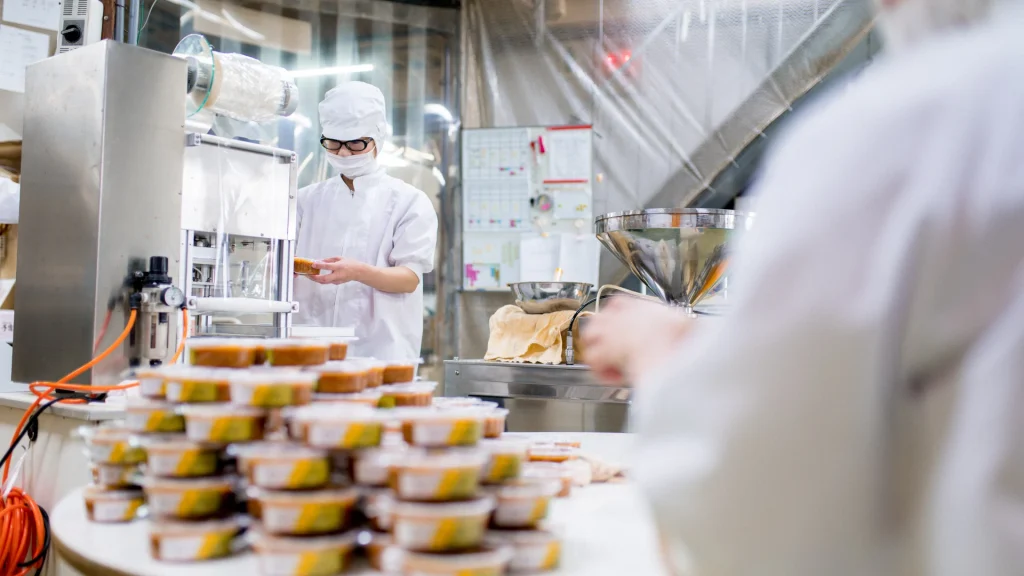
By cleaning and separating recyclables such as plastic shrink wrap, HD/LD films, and cardboard crates, businesses can turn waste into value. Some food producers feed contaminated plastics into a specialised cleaning system using recycled water. The kit washes and prepares the plastics for recycling, converting what was general waste into a revenue stream.
Phil explains: “This approach not only generates revenue but also reduces carbon impact, increases recycling rates, and improves operational efficiency. It’s a clear win for sustainability and the bottom line.”
Some sites are re-engineering waste as a resource. On-site systems clean and recycle plastics contaminated with food residues using recycled water and automated cycles. What was once general waste becomes a recyclable material, generating revenue while reducing environmental impact and operational hazards.
Success comes from internal advocates embedded in the operation who understand the strategy: even if initial costs are higher, designing out waste delivers long-term savings and efficiency. By combining forward-thinking strategy, technology, and a single trusted partner, businesses can turn waste from a cost into an opportunity—creating smarter, more sustainable operations.
Technology as a Strategic Enabler
Technology is becoming central to smarter, more sustainable food production—but adoption is still early, particularly on farms where initiatives are often self-funded. Farmers and food producers are exploring solutions like solar power, precision irrigation, and automation to reduce waste and improve efficiency.
As Phil notes, “Many farmers are reserving land for solar projects. These are significant investments—they often fund them themselves—but the commercial benefits can be substantial. A £3.5 million solar installation, for example, could pay for itself in just two years.”

Data-driven insight:
Tools like Weight & Trace provide full visibility of waste streams, pinpointing high-waste areas and enabling proactive decisions.

Compliance and safety:
Automated traffic-light systems signal when containers reach capacity, preventing overweight hauliers and ensuring safe, compliant operations.

Process automation:
Washing, soil agitation, sorting, and optical inspection systems allow farms and processing sites to clean, and grade produce efficiently, reducing spoilage and extending shelf life. Some food manufacturers use washing and agitation kits at farm level, while mini MRF units at processing sites enable onsite segregation and recycling, turning what would have been general waste into value-generating streams.
Even simple tech—accurate weight tracking, real-time monitoring, and measurable reporting—transforms waste management from a reactive cost into a controlled, optimised process. Thoughtful, strategic investments may have upfront costs, but they deliver measurable operational, financial, and environmental returns while building resilience in a highly regulated sector.
Practical, High-Impact Actions
The food sector has every reason to be proud. Behind every product is careful production, attention to quality, and commitment to customers. The most effective food waste strategies protect that pride while delivering tangible benefits:
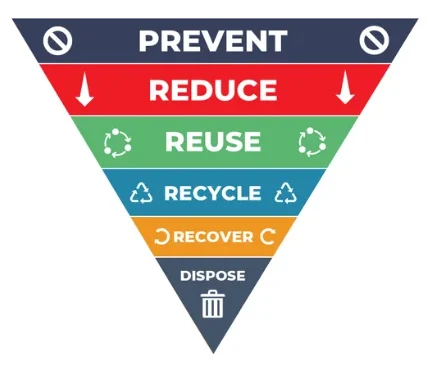
- Smarter stock control: Match purchasing with demand forecasts to reduce spoilage.
- FIFO (First In, First Out): Rotate stock so older items are used first, maintaining quality and consistency.
- Redistribution: Surplus food redirected to charities, food banks, and community projects cuts disposal costs and emissions, reduces haulage, and reinforces the business and product reputation.
- Staff engagement and education: Teams trained in waste reduction and segregation take ownership of quality and sustainability, embedding pride in every stage of production.
Redistribution isn’t just goodwill—it demonstrates care for product quality, the communities served, and the environment. Done well, these actions protect reputation, build customer trust, and show the sector takes pride in producing responsibly.
Partnerships Drive Success
Collaboration amplifies impact. Businesses that work closely with Axil gain tailored insights and operational expertise, allowing them to:
- Identify and reduce waste at source.
- Increase recycling rates and circular economy performance.
- Improve operational efficiency and compliance.
- Mitigate health, safety, and environmental risks.
The combination of innovation, practical solutions, and strategic partnership positions Axil clients to turn waste management from a cost centre into a source of operational and financial advantage.
Why it matters to you
Food waste isn’t just a sustainability headline — it’s a strategic business issue.
Every tonne of avoidable waste equals lost margin, extra cost and unnecessary environmental impact. Adopt the right mix of innovation, smarter processes and focused partnership and you can:
- Cut waste bills.
- Unlock revenue from recyclable materials.
- Improve operational efficiency and stay compliant.
- Boost your sustainability and social impact.
As Phil argues, with forward-thinking strategy, the right tech and a joined-up partner, tackling food waste stops being about disposal and starts being about building smarter, more profitable and more responsible operations.
“Don’t buy the kit and hope for change,” he says. “Get the partner who lives in your operation, knows the levers and is ready to prove the savings. That’s when waste stops being a cost and starts being an opportunity.”
So if you’re asking, “what’s in it for me?” — the answer is clearer margins, lower risk, simpler operations and a credible sustainability story. Work with one partner who knows your site, and you get speed, focus and the accountability to make innovation stick.
How to make a single-partner approach work— quick checklist
Start with a diagnostics audit (weight by area, contamination hotspots).
- Identify one operational advocate on site to co-design trials.
- Pilot a small technology or process change (e.g. cleaning unit for films or weight & trace on a line).
- Measure daily / weekly and report savings and carbon avoided.
- Scale what’s proven and reallocate saving to further pilots.