

In the world of hazardous materials, precision and safety are non-negotiable. This is where the Dangerous Goods Safety Advisor (DGSA) plays an indispensable role.
At Axil, our DGSAs are critical in managing the complex demands of transporting dangerous goods while ensuring strict compliance with regulations. But what exactly does this role entail, and why is it so crucial?
Axil DGSA’s are always available to help our customers with compliance and health and safety queries. We guide them through regulations and best practices, while also supporting our team, including drivers, to ensure they are well-trained and adhere to all safety protocols.
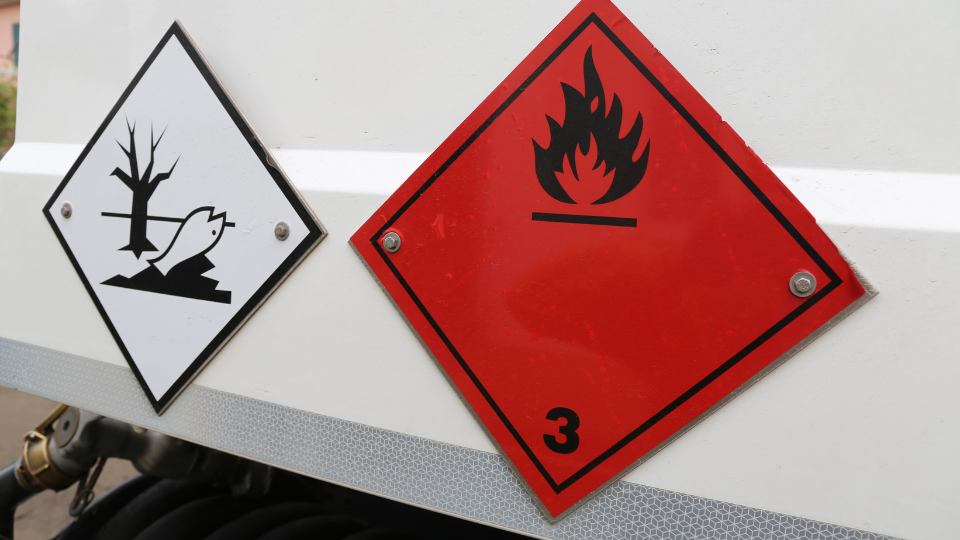
What is a Dangerous Goods Safety Advisor (DGSA)?
A Dangerous Goods Safety Advisor is a certified professional responsible for overseeing the safe and compliant handling and transportation of hazardous materials within a company. This role is vital for ensuring adherence to both national and international regulations governing dangerous goods. For us at Axil, having a DGSA is more than a regulatory formality—it’s a fundamental aspect of our dedication to safety and operational excellence.
Core Responsibilities of a DGSA
- Safety Advising: Provides guidance on best practices for handling and transporting dangerous goods, ensuring safety standards.
- Compliance Monitoring: Ensures adherence to both local and global regulations.
- Report Preparation: Creates annual safety and compliance reports for audits.
- Employee Training: Educates staff on safety procedures and handling techniques.
- Incident Management: Investigates and reports accidents to prevent future issues.
Why the DGSA Role is Crucial
- Regulatory Compliance: Ensures adherence to regulations, avoiding fines.
- Safety: Protects employees and the public from hazards.
- Risk Management: Identifies and mitigates transportation risks.
- Training and Awareness: Ensures employees are well-trained.
- Incident Response: Manages and resolves incidents promptly.
- Reputation and Trust: Builds company reputation through commitment to safety.
Essential Skills for a Successful DGSA
- Regulatory Knowledge: Deep understanding of laws and standards.
- Attention to Detail: Precision in managing hazardous materials.
- Analytical Skills: Ability to analyse data and make decisions.
- Communication: Effective training and reporting.
- Problem-Solving: Efficiently addresses and resolves issues.
- Organisational Skills: Manages multiple tasks effectively.
- Technical Knowledge: Understanding of hazardous materials and transport.