

Working in partnership with…



















Clinical waste management tailored to your site
Every site has different waste streams, handling requirements and operational priorities. We look beyond collections to understand how waste is produced, segregated, stored and managed, helping you identify where improvements can be made.

Safe clinical waste collection and disposal
Clinical waste must be managed according to its classification and the risks it presents. We help establish appropriate arrangements for collection, transport and treatment, with the relevant handling requirements and authorised routes considered for each waste stream.
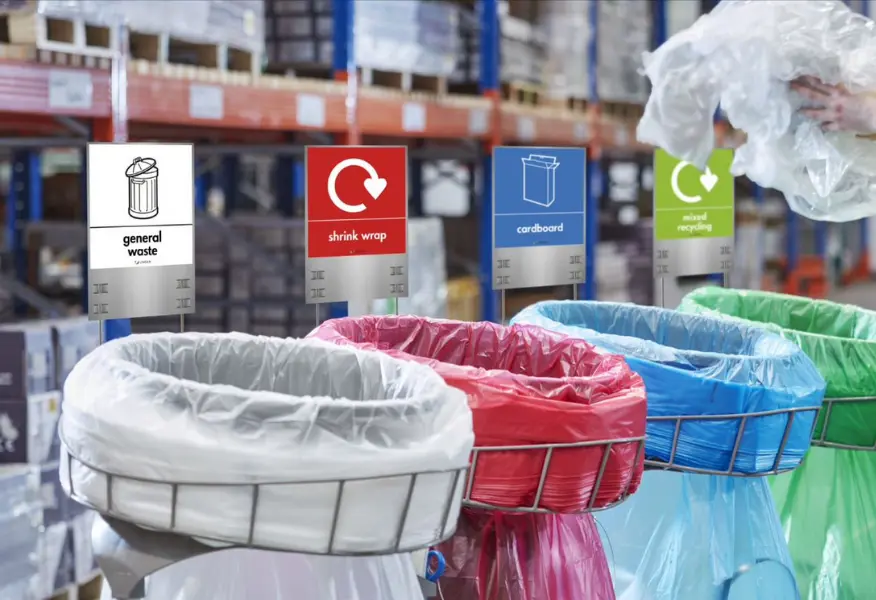
Better waste segregation
Getting segregation right at the point of disposal helps ensure waste follows the appropriate route. Reviewing site practices can also help reduce avoidable contamination, improve recycling opportunities where appropriate and prevent unnecessary disposal costs.

Specialist waste expertise
Manufacturing, laboratory and research environments can generate waste streams with different technical and regulatory requirements. Axil brings waste management expertise and supply-chain capability to help identify suitable solutions for your operation.

Clearer reporting and control
Understanding what your site produces, where it goes and how it performs gives you a stronger basis for decision-making. Axil’s waste management approach combines operational oversight and waste data to support performance monitoring, compliance oversight and continuous improvement.

Cost and environmental performance
Effective waste management can deliver value beyond disposal. Reviewing collection arrangements, segregation practices and available recovery routes can help identify avoidable costs, improve resource efficiency and support your environmental objectives.
Re-engineer your waste
arrange a waste reviewMore than clinical waste collections
Clinical waste is often one part of a site’s wider waste management requirements.
Pharmaceutical manufacturers, laboratories and research facilities may also generate hazardous chemicals, solvents, packaging, recyclable materials and general waste. Managing these requirements together can provide a clearer view of performance, simplify service arrangements and highlight opportunities that might otherwise be missed.
Axil coordinates waste management around your operational needs, drawing on appropriate specialist expertise and suppliers. We focus on identifying the right route for each waste stream, rather than applying the same solution to every material.
Experience in complex manufacturing environments
Waste management in pharmaceutical and life sciences environments requires an understanding of operational processes, material handling and the importance of reliable, well-controlled services.
Axil works with businesses in complex manufacturing and research environments, helping them review waste arrangements and identify opportunities to improve performance.
Our wider waste management experience includes technical support, waste data and reporting, supplier coordination and identifying opportunities to improve segregation and resource recovery.
Where relevant to your operation, we can look at the wider waste picture to help you understand where costs arise, how materials are managed and what could work better.
Axil helps pharmaceutical manufacturers improve segregation, reduce contamination and deliver measurable savings. https://axil-is.com/case-studies/
How we approach clinical waste management

1.
Understand your requirements
We discuss your site, the waste streams you produce, your current arrangements and the operational and compliance requirements that matter to you.

2.
Review your current waste arrangements
We look at how waste is segregated, stored, collected and managed, identifying opportunities to improve efficiency, visibility and cost control.

3.
Develop the right solution
We establish suitable service arrangements around your waste streams and site requirements, using the appropriate technical expertise, suppliers and authorised treatment routes.

4.
Monitor performance and identify improvements
We use available waste data and operational insight to review performance and identify opportunities to improve how waste is managed over time.
Frequently asked questions


Clinical waste is waste arising from healthcare, medical, laboratory and related activities that requires specific management because of its potential infection risk, hazardous properties or other risks. Its classification depends on the material, its properties and the activity that produced it.
Clinical waste can include items such as infectious materials, contaminated dressings, certain laboratory waste and some healthcare-related sharps. Not every item produced in a medical or laboratory environment is automatically clinical waste. Correct classification is important because it determines the appropriate handling, packaging and treatment route.
Clinical waste should be correctly identified, segregated, packaged, stored and collected in line with its classification and applicable legal requirements. It must then be sent through an appropriate authorised treatment or disposal route. The correct method depends on the waste stream and its characteristics.
Healthcare providers, medical facilities, pharmaceutical manufacturers, life sciences businesses and research organisations may need clinical waste management services if their activities generate relevant waste streams. Requirements depend on the materials produced, their classification and the risks associated with handling them.
Clinical waste relates to waste arising from healthcare and related activities that requires particular management. Hazardous waste is classified according to its hazardous properties under applicable legislation. The categories can overlap, but they are not interchangeable. Waste must be assessed and classified according to its actual characteristics.
Businesses can review segregation practices, collection frequency, container use and the suitability of treatment routes. Reducing avoidable contamination and improving visibility of waste volumes can help identify savings opportunities, provided that safety, legal requirements and appropriate waste handling are maintained.
Yes. Clinical waste can form part of a wider waste management service where the provider has the appropriate capability and supply-chain arrangements. Each waste stream must still be correctly segregated and managed through its own suitable route, with the required controls and documentation.
Treatment depends on the waste’s classification, characteristics and the applicable requirements. Certain infectious waste may be treated using an appropriate validated process, while other streams may require specialist treatment or incineration. Not all clinical waste is suitable for the same treatment method.
Look for a provider that understands your waste streams, can establish suitable collection and treatment arrangements, supports the required documentation and traceability, and provides clear information about service performance. The provider’s capability should match the specific waste types and operational requirements of your site.
Axil provides wider waste management services for businesses with multiple waste streams and complex operational requirements. Depending on your needs, we can review how clinical waste fits alongside other hazardous, recyclable and general waste streams to identify opportunities for better coordination, visibility and performance.
Awards & Certifications










Review your clinical
waste arrangements


Whether you want to review an existing service, understand your waste management options or explore improvements across your site, start with a conversation about your requirements.